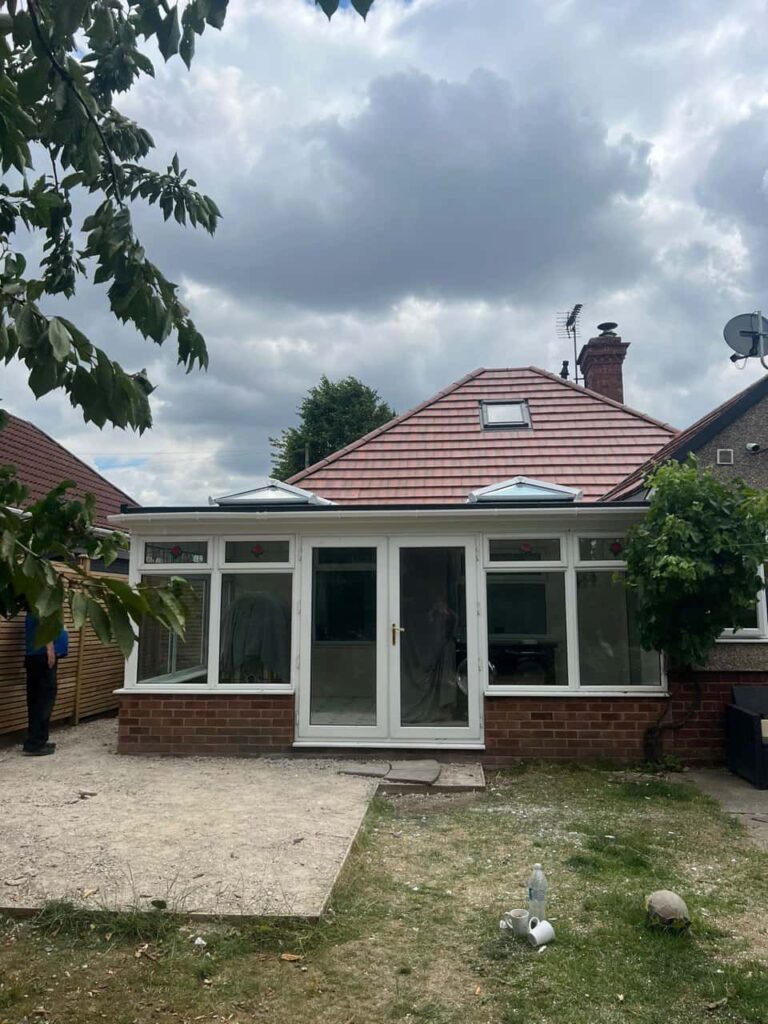
Felt roofing provides a practical protective covering for many flat and low-pitched roof areas, but its performance depends on the surface remaining intact and properly sealed. As the covering ages and experiences continual exposure to changing weather conditions, small defects can begin to appear. Cracks, lifting edges, damaged joints, blisters and localised deterioration may initially seem minor, yet they can create opportunities for moisture to reach areas that should remain protected.
For property owners in Hook, Hampshire, arranging professional attention when these warning signs first become noticeable can help prevent a localised felt roof defect from developing into a more extensive problem. Timely repair is not about carrying out unnecessary work at the first sign of ageing. It is about identifying genuine weaknesses, understanding their cause and repairing them before deterioration spreads into surrounding roofing materials.
Why Early Felt Roof Repairs Can Make a Significant Difference
A felt roof functions as a complete weather-resistant surface. Individual sections, joints, edges, outlets and adjoining details all contribute to keeping water away from the underlying roof construction.
When one area becomes defective, the surrounding roof may continue appearing serviceable. However, leaving the weakness exposed can allow water and repeated weathering to affect a progressively larger area.
Early professional assessment can establish whether a targeted repair is sufficient while the problem remains contained.
Small Cracks Can Gradually Become Larger
A minor crack in roofing felt can be easy to overlook, particularly when the rest of the surface appears sound.
However, roof coverings experience continual temperature changes. Materials naturally respond to warming and cooling, and an existing weakness can gradually become more pronounced.
Once a crack begins widening, a larger section of the roof can become vulnerable to moisture.
Dealing with a clearly defined defect before it spreads can help preserve surrounding felt that remains in satisfactory condition.
Water Can Enter Through Surprisingly Small Defects
A roof defect does not need to create a large visible opening before moisture becomes a concern.
Small splits, deteriorated joints and poorly sealed edges can provide potential routes for water. Once moisture moves beneath the visible covering, identifying the full affected area can become more difficult.
The surface directly above an internal damp patch may not necessarily be where water originally entered.
Timely investigation helps identify potential entry points before repeated rainfall allows the problem to become more established.
Lifting Felt Edges Should Be Investigated
Edges and laps are important parts of a felt roofing system.
If an edge begins lifting, the normal continuity of the covering can be compromised. Weather exposure may then affect an area that was previously sealed and protected.
A small lifted section can potentially become more pronounced if it remains exposed.
Professional repair can determine why the material has lifted and whether the surrounding felt remains suitable for localised attention.
Deteriorating Joints Can Affect Otherwise Sound Areas
Felt roofing often contains joints where sections of material meet.
These areas need to remain properly formed and sealed so that the roof works as one continuous covering.
If a joint begins deteriorating, the individual sections on either side may still appear relatively sound. Ignoring the failed connection between them, however, can allow water to penetrate beneath both areas.
Repairing a deteriorating joint promptly can therefore help protect a larger amount of serviceable roofing material.
Blisters Can Indicate a Change Within the Roof Covering
Raised or blistered areas should not simply be flattened or ignored without understanding why they have developed.
A blister can indicate that the roofing material has separated locally or that conditions beneath the surface have changed.
The significance depends on the size, location and overall condition of the surrounding roof.
Professional assessment can establish whether the area requires targeted repair and whether any associated deterioration needs to be addressed.
Ponding Water Can Increase Pressure on Vulnerable Areas
Flat roofs need appropriate falls and drainage arrangements to move rainfall towards suitable outlets.
If water regularly remains in the same areas, existing weaknesses within the felt can receive prolonged exposure.
Standing water does not automatically mean that the complete roof has failed, but persistent ponding combined with cracking, damaged joints or deteriorated surfaces deserves investigation.
Repairing the visible felt without considering why water repeatedly collects nearby may leave an important contributing factor unresolved.
Blocked Drainage Can Contribute to Roof Deterioration
Roof outlets and drainage routes need to remain clear enough to function effectively.
Leaves, moss and other debris can interfere with water movement, allowing rainfall to remain on the roof for longer than intended.
Where the felt already contains vulnerable areas, this can increase exposure.
Professional roof assessment should therefore consider drainage conditions alongside visible surface defects rather than treating the two issues separately.
Water Beneath the Felt Can Affect Supporting Materials
One of the main reasons timely repair matters is that the visible felt is only the outer protective layer.
If water passes through a defect, materials beneath the covering can become exposed to moisture.
The longer this continues, the greater the possibility that deterioration will extend beyond the original surface problem.
A relatively straightforward felt defect can consequently become a more involved roofing issue if the underlying construction is allowed to remain damp repeatedly.
Internal Damp Marks Should Not Be Ignored
Signs inside the property can sometimes provide the first indication that a felt roof requires attention.
Damp patches, staining or other evidence of moisture should be investigated rather than repeatedly monitored in the hope that the problem will disappear.
The visible internal symptom may occur some distance from the actual roof defect because water can travel before becoming noticeable.
A professional inspection can consider both the external roof condition and the pattern of moisture internally to help identify the likely source.
Intermittent Leaks Still Indicate a Problem
Some felt roof leaks do not occur during every period of rainfall.
Water may enter only when wind direction, rainfall intensity or the amount of standing water creates particular conditions.
This can make the defect seem less serious because the roof appears dry much of the time.
However, an intermittent leak still indicates that the roof covering is not consistently preventing water entry.
Investigating the issue while symptoms remain limited can help prevent repeated moisture exposure.
Damaged Edges Can Spread Into the Main Roof Area
Perimeter details are particularly important because they form transitions between the main roof covering and surrounding components.
If felt begins lifting, splitting or deteriorating around an edge, continued weather exposure can allow the affected section to become larger.
The problem may eventually extend further into material that was previously sound.
Timely repair helps contain deterioration around the original vulnerable area rather than waiting for more of the roof covering to become involved.
Localised Damage Does Not Automatically Mean Complete Replacement
Discovering damage on a felt roof does not necessarily mean that the entire covering requires replacement.
If the defect is clearly localised and the surrounding felt remains in suitable condition, targeted repair may be appropriate.
The decision should be based on the actual condition of the roof rather than assumptions.
This is one of the main benefits of early assessment: there may be more opportunity to retain serviceable material before deterioration becomes widespread.
Repeated Repairs in the Same Area Need Further Investigation
A different approach may be necessary when the same section repeatedly develops problems.
If cracks reopen, joints continue failing or moisture returns after previous repairs, there may be a contributing factor that has not yet been fully identified.
Recurring problems can sometimes relate to movement, drainage, underlying deterioration or a wider weakness within that section of the covering.
Rather than simply repeating the same surface treatment, the area should be assessed more comprehensively.
Several Defects Can Indicate Broader Deterioration
One small damaged area is different from numerous cracks, blisters and failing joints distributed across the roof.
When defects begin appearing in multiple locations, the overall condition of the covering becomes increasingly important.
Continually repairing isolated symptoms may become less appropriate if surrounding material is also deteriorating.
Professional inspection can determine whether individual repairs remain sensible or whether the roof requires a more comprehensive solution.
Previous Patch Repairs Provide Useful Information
Existing patches can help reveal the repair history of a felt roof.
A small number of stable repairs does not necessarily indicate a problem. However, numerous patches concentrated within the same area can suggest that deterioration has repeatedly occurred there.
New damage developing around old repairs should therefore be considered in context.
Understanding the history of the affected section can help identify whether another local repair is appropriate or whether the underlying issue requires closer attention.
Surface Deterioration Can Provide an Early Warning
Felt roofing can change in appearance as it ages.
Some visual ageing is expected and does not automatically mean the roof is failing. However, areas that are cracking, splitting, lifting or breaking down differently from the surrounding surface deserve attention.
The important distinction is between normal weathering and deterioration that affects the roof’s ability to remain weather-resistant.
Professional assessment helps make that distinction.
Early Repairs Can Help Preserve Sound Surrounding Material
The objective of timely felt roof repair is not merely to improve the appearance of a damaged section.
It is to stop a defined weakness from exposing adjacent materials to unnecessary deterioration.
When surrounding felt remains secure and serviceable, addressing a local defect can help preserve more of the existing roof.
Waiting until cracks spread, edges lift further or underlying materials become affected can reduce the opportunity for a straightforward localised response.
Professional Diagnosis Is Important Before Repairing the Surface
The most visible defect is not always the complete cause of a felt roof problem.
Water may enter around an adjoining detail, drainage may be contributing to deterioration, or the affected surface may reflect movement beneath it.
Applying another layer over the obvious defect without understanding these conditions can result in the problem returning.
Professional roofing work begins by establishing what has failed and why.
Regular Observation Can Help Identify Changes Earlier
Property owners do not need to diagnose roofing defects themselves, but being aware of visible changes can be useful.
Warning signs worth having professionally assessed include:
- Cracks or splits in the felt
- Lifting edges or laps
- Deteriorating joints
- Blistered or raised sections
- Repeated standing water
- Damaged perimeter details
- New internal damp marks
- Recurring leaks
- Areas deteriorating around previous repairs
- Several defects appearing across the same roof
Recognising these changes early provides an opportunity to investigate the roof before the symptoms become more extensive.
Professional Felt Roof Assessment Helps Determine the Right Response
Different felt roof defects require different solutions.
At MCM Roofing Repairs Hook, we assess felt roofs in Hook, Hampshire by considering the visible damage alongside joints, edges, drainage, surrounding material and any signs that moisture has travelled beneath the covering.
Where deterioration remains localised and the surrounding roof is serviceable, an appropriate targeted repair may be sufficient. Where defects are repeated or widespread, the affected area can be considered more comprehensively.
This approach focuses on what the roof genuinely requires rather than automatically recommending unnecessary work.
Conclusion
Timely felt roof repairs can prevent further deterioration by addressing cracks, lifting edges, damaged joints and other vulnerable areas before water and weather exposure affect a larger section of the roof.
Early attention is particularly valuable because a small visible defect may still have sound material surrounding it. Once moisture begins travelling beneath the covering or deterioration spreads into adjoining sections, the problem can become more extensive.
If you have noticed cracking, lifting felt, recurring leaks or other signs of deterioration on a felt roof in Hook, Hampshire, contact MCM Roofing Repairs Hook. We can assess the affected area, identify the likely cause and recommend an appropriate repair based on the roof’s actual condition.
Call us on: 01256 648 399
Click here to find out more about MCM Roofing Repairs Hook
Click here to complete our contact form and see how we can help with your roofing needs.