A roof is designed to provide consistent protection against the elements, but like all structural components, it changes over time. In Hook, Hampshire, roofs are exposed to ongoing weather cycles, including rainfall, wind and temperature variations. As a roof ages, its materials and supporting structure naturally begin to show signs of wear. Understanding how roof age impacts performance helps property owners recognise when maintenance or professional assessment may be needed.
The natural ageing process of roofing materials
Roofing materials are built to last, but they are not immune to gradual deterioration. Tiles, slates and flat roofing membranes all experience repeated expansion and contraction due to changing temperatures. Over time, this movement can reduce flexibility and affect how securely materials interlock.
In addition, exposure to moisture and environmental debris slowly weakens protective surfaces, making older roofs more vulnerable to wear.
Reduced weather resistance over time
Loss of surface integrity
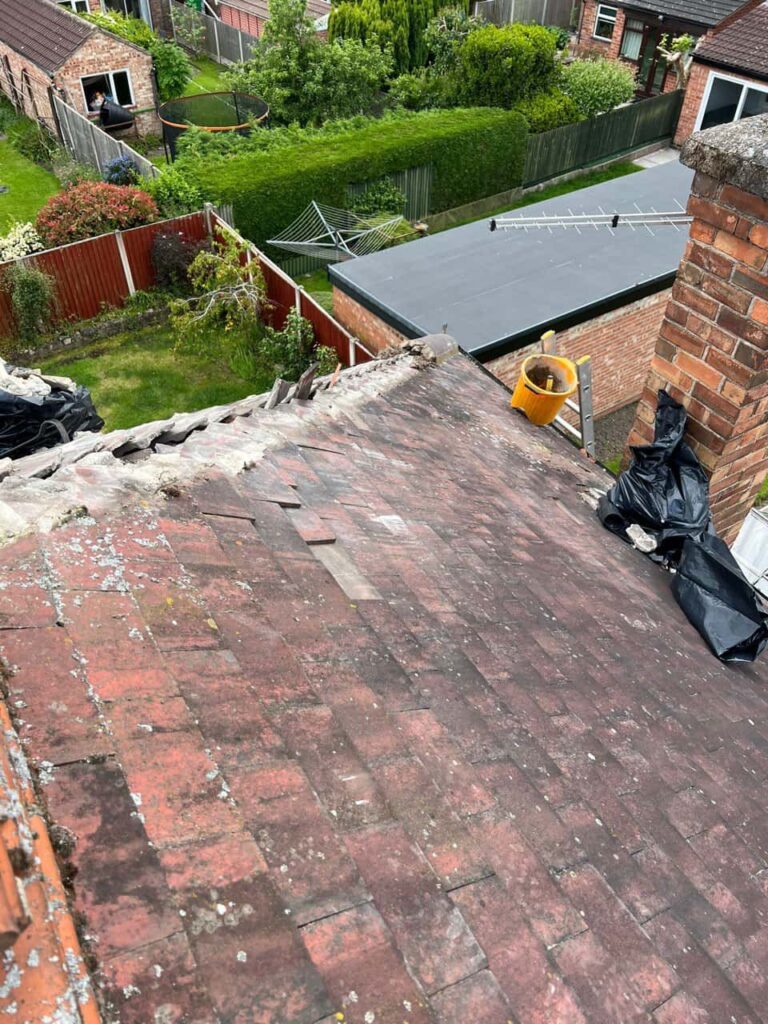
As materials age, their ability to repel water may diminish. Tiles can become porous, slates may loosen and flat roof coverings can develop small cracks. While these changes are often gradual, they reduce the roof’s overall resilience.
In Hook, where rainfall can be consistent throughout the year, even minor deterioration can impact long-term performance if left unchecked.
Increased susceptibility to wind damage
Older fixings and fasteners may weaken with time. As a result, tiles or other roof coverings may be more prone to movement during periods of strong wind. This increases the risk of localised damage that can spread if not addressed promptly.
Structural components beneath the surface
Ageing battens and underlay
The visible roof covering is only part of the system. Beneath it, battens and underlay provide essential support and secondary protection. These components can degrade as they age, especially if exposed to moisture.
When underlying materials weaken, the roof’s ability to perform consistently is compromised, even if surface materials appear largely intact.
Gradual timber fatigue
Roof timbers can also be affected by prolonged exposure to damp conditions or natural ageing. Although timber structures are durable, subtle changes over many years can affect stability and alignment.
Signs that roof age may be affecting performance
Common indicators that age is influencing roof performance include:
- Repeated minor leaks
- Slipped or loose tiles
- Visible sagging or uneven roof lines
- Damp patches in loft spaces
These signs suggest that the roof may no longer be performing as effectively as it once did.
The importance of professional assessment
Age alone does not automatically mean a roof requires replacement. A professional inspection is the most reliable way to assess its true condition. Experienced roofers can determine whether targeted repairs will restore performance or whether more comprehensive work is advisable.
At MCM Roofing Repairs Hook, detailed roof inspections help property owners in Hook understand how age is affecting their roof and what steps are appropriate to maintain reliable protection.
Conclusion
Roof age has a direct impact on performance, affecting materials, fixings and underlying structural components. While gradual deterioration is inevitable, early identification of age-related issues allows for effective maintenance and continued protection.
If you are unsure how the age of your roof may be influencing its condition in Hook, Hampshire, MCM Roofing Repairs Hook can provide professional advice and thorough assessment. Contact the team today to ensure your roof continues to perform reliably and safeguard your property for years to come.
Call us on: 01256 648 399
Click here to find out more about MCM Roofing Repairs Hook
Click here to complete our contact form and see how we can help with your roofing needs.